Services
Providers
Science
Mission
Schedule your free consultation
Home
→
Articles
→
Clinical
Clinical
Clinical Articles
Clinical research and studies
58 articles in this category
K
Filters
Clinical
Dec 2, 2025
1 min read
Pmc
Functions and mechanisms of circular RNAs in regulating stem cell differentiation
New findings show that certain circular RNAs can help control how your body's repair cells turn into different types of cells, which is important for healing and growth. This could lead to better treatments for conditions like osteoporosis and muscle loss. Understanding these processes may improve future healing therapies.
Circular Rnas
Mesenchymal stem cells
Stem Cell Differentiation
Neural Stem Cells
Clinical
Dec 2, 2025
1 min read
Pmc
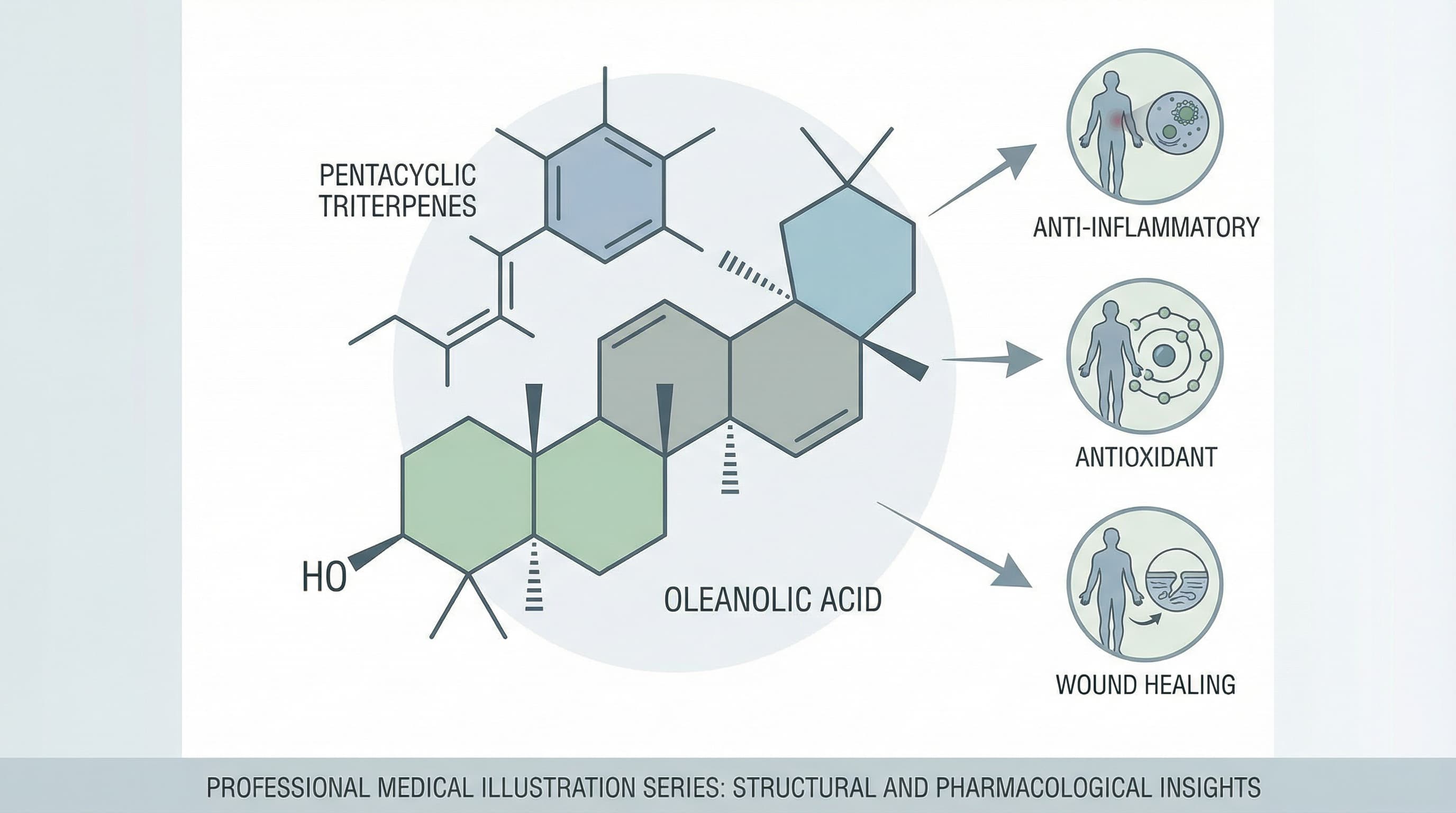
Semisynthetic Derivatives of Pentacyclic Triterpenes Bearing Heterocyclic Moieties with Therapeutic Potential
Newly modified plant compounds called pentacyclic triterpenes could offer better treatments for diseases like cancer and diabetes by improving how well they work in the body. These changes make them easier for our bodies to use, potentially leading to more effective healing options in the future.
Pentacyclic Triterpenes
Bioavailability
Chemical Derivatization
Therapeutic Properties
Clinical
Dec 2, 2025
1 min read
Pmc
Suppression of Oct4 by Germ Cell Nuclear Factor Restricts Pluripotency and Promotes Neural Stem Cell Development in the Early Neural Lineage
New findings reveal that the germ cell nuclear factor (GCNF) plays a crucial role in neural stem cell development by suppressing Oct4, a key gene for maintaining pluripotency. This regulation is vital for the transition of primitive neural stem cells to definitive ones, potentially unlocking new avenues for regenerative therapies in neurodegenerative diseases.
Oct4 Suppression
Neural Stem Cells
Clinical
Dec 1, 2025
1 min read
Pmc
p53 Switches Off Pluripotency on Differentiation
New findings reveal that the p53 protein is essential for guiding stem cells to differentiate safely, potentially reducing cancer risks. By reactivating p53, researchers could enhance stem cell therapies and develop innovative cancer treatments, paving the way for safer regenerative medicine.
Induced Pluripotent Stem Cells (iPSCs)
Cancer Stem Cells
Stem Cell Differentiation
Clinical
Dec 1, 2025
1 min read
Pmc
Role of Insulin-like Growth Factor 1 Receptor Signaling in Stem Cell Stemness and Therapeutic Efficacy
New research highlights the critical role of insulin-like growth factor 1 receptor (IGF1R) in enhancing stem cell self-renewal and therapeutic potential. Understanding IGF1R signaling could significantly improve regenerative treatments, making stem cell preservation more valuable for future health needs.
Insulin Like Growth Factor 1 Receptor
stem-cell-therapy
Neuroprotection
Cardiac Regeneration
Clinical
Nov 27, 2025
1 min read
Web
Hair follicle-associated-pluripotent (HAP) stem cells
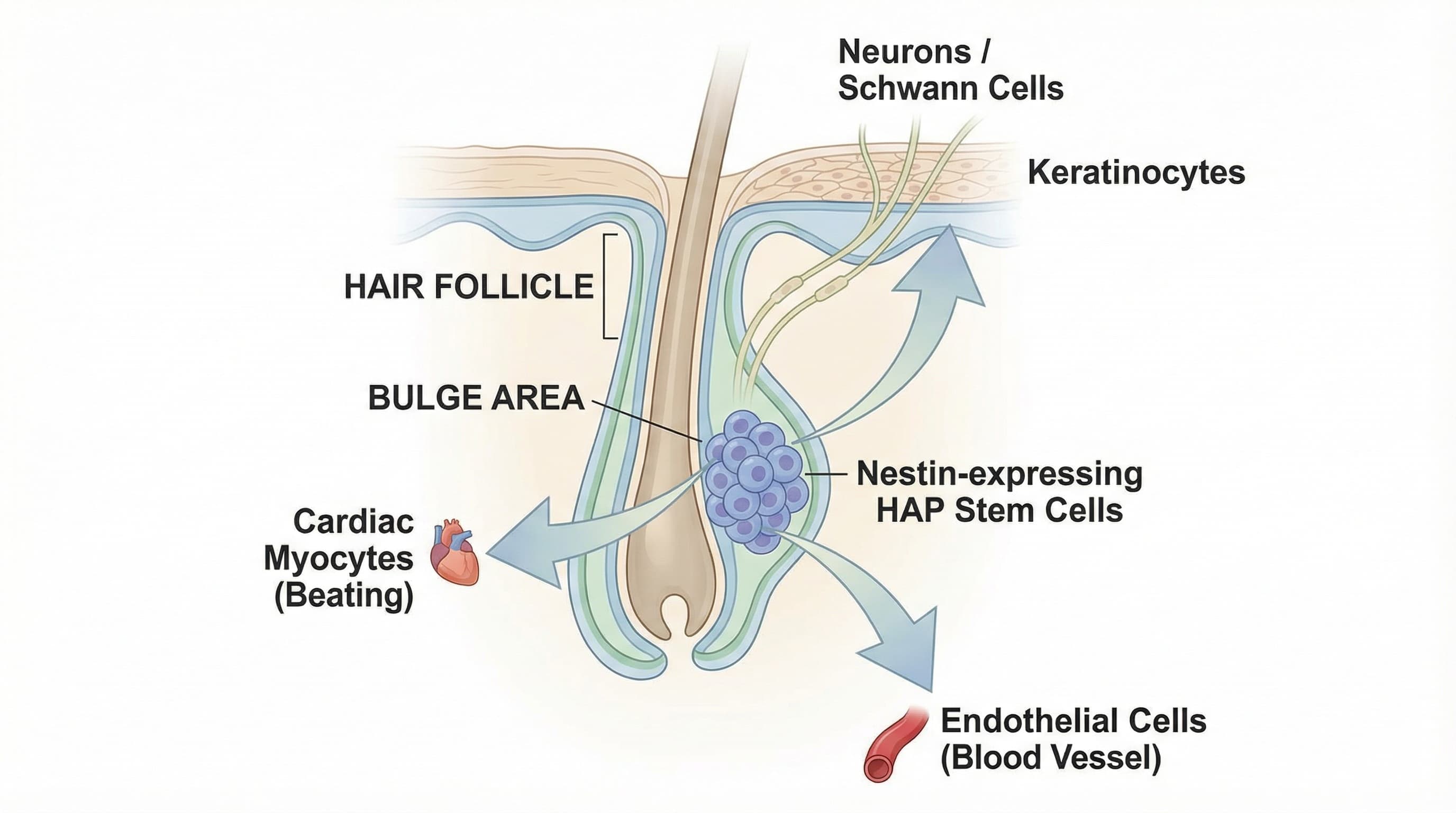
Hair follicles contain several kinds of stem cells. One group, called hair follicle-associated‑pluripotent (HAP) stem cells, sits in the bulge region of the follicle and expresses the protein nestin. Laboratory studies show HAP cells can turn into many different cell types — neurons, glial cells (support cells in nerves), skin cells, smooth muscle, heart muscle, pigment cells and more [2,10,19,25]. HAP cells are easy to collect from the scalp, do not require genetic reprogramming, do not form tu
Hair Follicle
Nestin Expressing Stem Cells
Peripheral Nerve Regeneration
Cryopreservation
Clinical
Nov 27, 2025
1 min read
Web
Erythroid differentiation of human induced pluripotent stem cells is independent of donor cell type of origin
Authors: Isabel Dorn, Katharina Klich, Marcos J Arauzo-Bravo, Martina Radstaak, Simeon Santourlidis, Foued Ghanjati, Teja F Radke, Olympia E Psathaki, Gunnar Hargus, Jan Kramer, Martin Einhaus, Jeong Beom Kim, Gesine Kogler, Peter Wernet, Hans R Scholer, Peter Schlenke, Holm Zaehres
Erythroid Differentiation
Cd34 Hematopoietic Stem Cells
Epigenetic Memory
Clinical
Nov 27, 2025
1 min read
Web
Differentiation Induction of Human Stem Cells for Corneal Epithelial Regeneration
Loss or severe damage of the corneal epithelium (the clear, outer surface of the eye) can cause vision loss. Donor tissue for direct corneal or limbal epithelial transplantation is limited, and allogeneic grafts carry a rejection risk. Researchers are developing ways to turn a patient’s own stem cells into corneal epithelial cells for transplantation. This review summarizes what works so far with human stem cells — especially mesenchymal stem/stromal cells (MSCs) and pluripotent stem cells (ESCs
Corneal Epithelium
Limbal Stem Cell Deficiency
Induced Pluripotent Stem Cells (iPSCs)
Mesenchymal stem cells
Clinical
Nov 27, 2025
1 min read
Web
Stem Cells in Clinical Trials for Pelvic Floor Disorders: a Systematic Literature Review
Authors: Stefano Manodoro, Matteo Frigerio, Marta Barba, Sara Bosio, Luigi Antonio de Vitis, Anna Maria Marconi
Pelvic Floor
Women's Health
Clinical Trials
Stress urinary incontinence
Anal Incontinence
Clinical
Nov 27, 2025
1 min read
Web
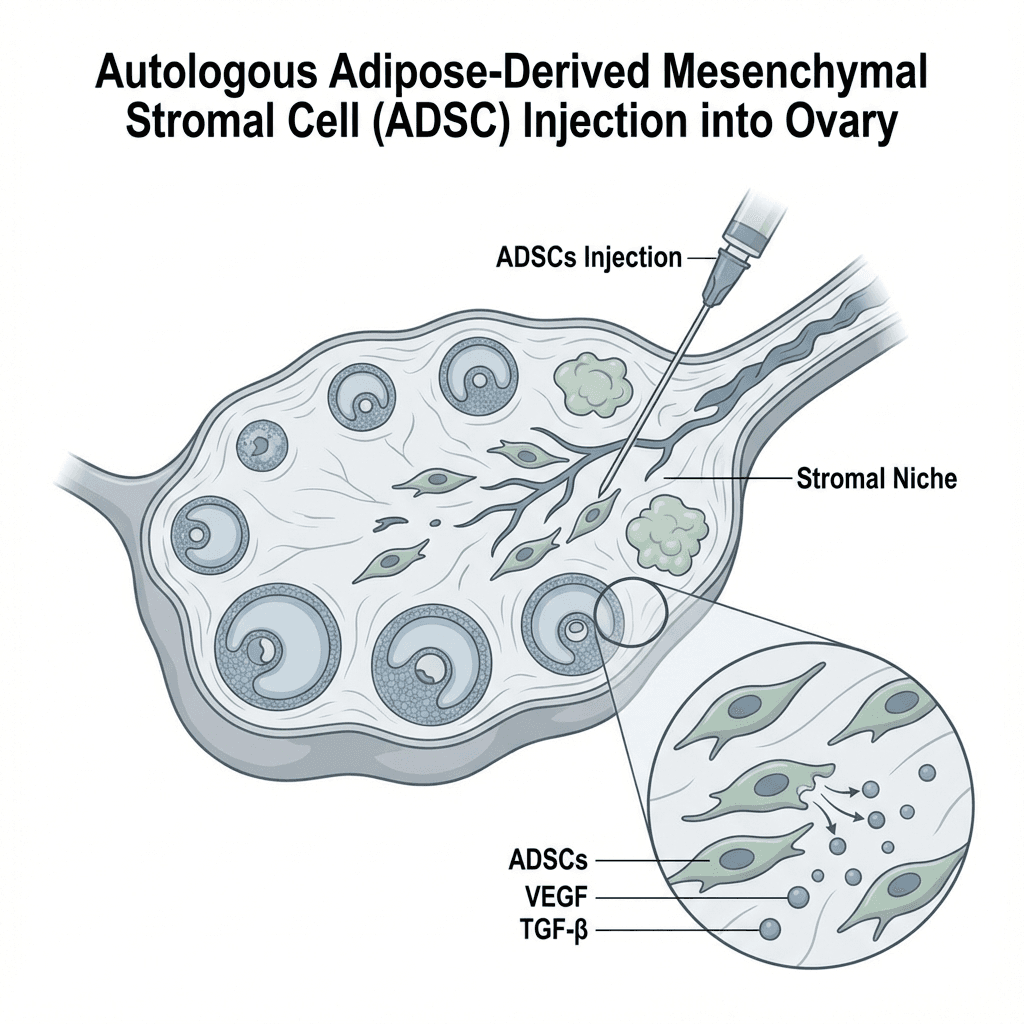
Evaluation of safety, feasibility and efficacy of intra-ovarian transplantation of autologous adipose derived mesenchymal stromal cells in idiopathic premature ovarian failure patients: non-randomized clinical trial, phase I, first in human
Authors: M. Mashayekhi et al. (published Jan 6, 2021)
Premature Ovarian Failure
Adipose Derived Mesenchymal Stromal Cells
Intra Ovarian Transplantation
Women's Health
Clinical
Nov 27, 2025
1 min read
Slack
Effects of autologous stem cell therapy for fertility enhancement among women with premature ovarian insufficiency
Jesmine Banu; Nishat Jahan; Shaheen A. Anwary; Mostafa Tarique; Itrat Aziz; Nastaran Laskar; M. Rifat Hasan; Chowdhury F. Alamgir; Maliha Darmini
Women's Health
Clinical
Nov 26, 2025
1 min read
NIH
Autologous Bone Marrow–Derived Stem Cell Therapy for Asherman's Syndrome and Endometrial Atrophy — 5‑Year Follow‑Up (Singh et al., 2020)
Neeta Singh, Bhawani Shekhar, Sujata Mohanty, Sunesh Kumar, Tulika Seth, Bhavana Girish
Asherman Syndrome
Endometrial Atrophy
Clinical
Nov 26, 2025
1 min read
NIH
Adult stem cell therapy for female stress urinary incontinence — simplified summary
Authors: Michael Mitterberger et al.
Stress urinary incontinence
Clinical
Nov 26, 2025
1 min read
Springer
MSC-based therapy in female pelvic floor disorders — simplified review
Authors: Yizhen Sima & Yisong Chen (original review published Cell & Bioscience, 2020)
Pelvic Floor
Clinical
Nov 26, 2025
1 min read
Springer
Stem Cells in Clinical Trials for Pelvic Floor Disorders — Plain‑Language Summary and What It Means for Stem Cell Banking and Regenerative Medicine
Pelvic floor disorders (PFDs) — such as stress urinary incontinence (SUI), anal (fecal) incontinence, and pelvic organ prolapse — result from weakness or injury to muscles, nerves, or connective tissues of the pelvic floor. Traditional treatments (rehabilitation, surgery) often give incomplete relief. Stem cell (SC) therapy is being tested as a regenerative alternative.
Pelvic Floor
Clinical
Nov 26, 2025
1 min read
Slack
Stem cells and exosomes: Biological tools for diagnosing and treating polycystic ovary syndrome (PCOS)
Authors: Mahta Hadidi, Keyvan Karimabadi, Elham Ghanbari, Leila Rezakhani*, Mozafar Khazaei*
Polycystic Ovary Syndrome (PCOS)
Clinical
Nov 26, 2025
1 min read
Pulse 2
BioCardia’s CardiAMP HF II Phase 3 Trial: First Patient Enrolled at University of Wisconsin
BioCardia announced that the University of Wisconsin School of Medicine and Public Health enrolled its first patient in the Phase 3 CardiAMP HF II trial. This trial is testing CardiAMP, an autologous (patient’s own) bone marrow cell therapy, in people with ischemic heart failure with reduced ejection fraction (HFrEF) who still have signs of heart stress despite optimized medical care.
Heart Disease
Clinical
Nov 22, 2025
1 min read
Biomedcentral
BM-MSC-derived migrasomes reverse stroke-induced thymic atrophy and immunosuppression via Pin1 delivery to thymic epithelial cells
The authors show that bone marrow–derived mesenchymal stem cells (BM-MSC) can reverse stroke-induced thymic atrophy, restore thymic structure, and normalize peripheral T-cell populations in a mouse tMCAO model.
clinical
Immunosuppression
Clinical
Aug 14, 2025
2 min read
Eur Heart J
Bone marrow-derived mesenchymal stromal cell treatment in patients with severe ischaemic heart failure: a randomized placebo-controlled trial (MSC-HF trial)
AIMS: Regenerative treatment with mesenchymal stromal cells (MSCs) has been promising in patients with ischaemic heart failure but needs confirmation in larger randomized trials. We aimed to study effects of intra-myocardial autologous bone marrow-derived MSC treatment in patients with severe ischaemic heart failure. __METHODS AND RESULTS__ The MSC-HF trial is a randomized, double-blind, placebo-controlled trial. Patients were randomized 2 : 1 to intra-myocardial injections of MSC or placebo, respectively. The primary endpoint was change in left ventricular end-systolic volume (LVESV), measured by magnetic resonance imaging or computed tomography at 6 months follow-up. Sixty patients aged 30-80 years with severe ischaemic heart failure, New York Heart Association (NYHA) classes II-III, left ventricular ejection fraction (LVEF) <45% and no further treatment options were randomized. Fifty-five patients completed the 6-month follow-up (37 MSCs vs. 18 placebo). At 6 months, LVESV was reduced in the MSC group: -7.6 (95% CI -11.8 to -3.4) mL (P = 0.001), and increased in the placebo group: 5.4 (95% CI -0.4 to 11.2) mL (P = 0.07). The difference between groups was 13.0 (95% CI 5.9-20.1) mL (P = 0.001). Compared with placebo, there were also significant improvements in LVEF of 6.2% (P<0.0001), stroke volume of 18.4 mL (P < 0.0001), and myocardial mass of 5.7 g (P = 0.001). No differences were found in NYHA class, 6-min walking test and Kansas City cardiomyopathy questionnaire. No side effects were identified. __CONCLUSION__ Intra-myocardial injections of autologous culture expanded MSCs were safe and improved myocardial function in patients with severe ischaemic heart failure.
Heart Disease
Clinical
Aug 14, 2025
1 min read
Brain Res
Intravenous transplantation of bone marrow-derived mononuclear cells prevents memory impairment in transgenic mouse models of Alzheimer's disease
Stem cell transplantation therapy is currently in clinical trials for the treatment of ischemic stroke, and several beneficial aspects have been reported. Similarly, in Alzheimer's disease (AD), stem cell therapy is expected to provide an efficient therapeutic approach. Indeed, the intracerebral transplantation of stem cells reduced amyloid-β (Aβ) deposition and rescued memory deficits in AD model mice. Here, we show that intravenous transplantation of bone marrow-derived mononuclear cells (BMMCs) improves cognitive function in two different AD mouse models, DAL and APP mice, and prevents neurodegeneration. GFP-positive BMMCs were isolated from tibiae and femurs of 4-week-old mice and then transplanted intravenously into DAL and APP mice. Transplantation of BMMCs suppressed neuronal loss and restored memory impairment of DAL mice to almost the same level as in wild-type mice. Transplantation of BMMCs to APP mice reduced Aβ deposition in the brain. APP mice treated with BMMCs performed significantly better on behavioral tests than vehicle-injected mice. Moreover, the effects were observed even with transplantation after the onset of cognitive impairment in DAL mice. Together, our results indicate that intravenous transplantation of BMMCs has preventive effects against the cognitive decline in AD model mice and suggest a potential therapeutic effect of BMMC transplantation therapy.
ALZ / Alzheimers
Clinical
Aug 14, 2025
2 min read
Exp Ther Med
Efficacy of mesenchymal stem cells in treating patients with osteoarthritis of the knee: A meta-analysis
To assess the clinical efficacy and safety of mesenchymal stem cell (MSC) treatment for osteoarthritis of the knee (KOA), a systematic electronic literature search was performed on PubMed, EMBASE and Web of Science. Studies published in English from the earliest record to December 2014 were searched using the following keywords: Cartilage defect, cartilage repair, osteoarthritis, KOA, stem cells, MSCs, bone marrow concentrate (BMC), adipose-derived mesenchymal stem cells, synovial-derived mesenchymal stem cells and peripheral blood-derived mesenchymal stem cells. The effect sizes of selected studies were determined by extracting pain scores from the visual analog scale and functional changes from International Knee Documentation Committee and Lysholm and Western Ontario and McMaster Universities Osteoarthritis Index before and after MSCs or reference treatments at 3, 6, 12, and 24 months. The factors were analyzed and the outcomes were modified after comparing the MSC group pooled values with the pretreatment baseline or between different treatment arms. A systematic search identified 18 clinical trials on this topic, including 10 single-arm prospective studies, four quasi-experimental studies and four randomized controlled trials that used BMCs to treat 565 patients with KOA in total. __MSC treatment in patients with KOA showed continual efficacy for 24 months compared with their pretreatment condition.__ Effectiveness of MSCs was improved at 12 and 24 months post-treatment, compared with at 3 and 6 months. No dose-responsive association in the MSCs numbers was demonstrated. However, patients with arthroscopic debridement, activation agent or lower degrees of Kellgren-Lawrence grade achieved improved outcomes. MSC application ameliorated the overall outcomes of patients with KOA, including pain relief and functional improvement from basal evaluations, particularly at 12 and 24 months after follow-up.
Mesenchymal stem cells
Clinical
Aug 14, 2025
1 min read
Biomed Mater Eng
Donor's age dependent proliferation decrease of human bone marrow mesenchymal stem cells is linked to diminished clonogenicity
While mesenchymal stem cells represent an interesting cell source for regenerative medicine, several points have to be investigated to improve their use in clinical, and in particular in the elderly population. This work studied the proliferation capacity of mesenchymal stem cells isolated from human bone marrow in function of donor's age. Doubling time after in vitro culture, clonogenicity and phenotype were analyzed in 17 samples ranging from 3 to 85 years old (mean 47 ± 27). Results showed an increase in the doubling time for cell coming from old donor compared to cells coming from young ones. This was accompanied by a decrease in clonogenicity while no changes were observe in cell phenotype. In conclusion, this study showed an effect of donor's age on the proliferation capacity of mesenchymal stem cells isolated from bone marrow that was correlated to a decrease in clonogenicity. The comprehension of molecular mechanism involved in this process could help to improve the clinical application of mesenchymal stem cells.
Mesenchymal stem cells
Clinical
Aug 14, 2025
1 min read
Front Cell Dev Biol.
Stem cell transplantation improves aging-related diseases
Aging is a complex process of damage accumulation, and has been viewed as experimentally and medically intractable. The number of patients with age-associated diseases such as type 2 diabetes mellitus (T2DM), osteoporosis, Alzheimer's disease (AD), Parkinson's disease, atherosclerosis, and cancer has increased recently. Aging-related diseases are related to a deficiency of the immune system, which results from an aged thymus and bone marrow cells. Intra bone marrow-bone marrow transplantation (IBM-BMT) is a useful method to treat intractable diseases. This review summarizes findings that IBM-BMT can improve and treat aging-related diseases, including T2DM, osteoporosis and AD, in animal models.
Aging
Clinical
Aug 14, 2025
1 min read
Sci Rep
Transplantation of mesenchymal stem cells from young donors delays aging in mice
__Increasing evidence suggests that the loss of functional stem cells may be important in the aging process.__ Our experiments were originally aimed at testing the idea that, in the specific case of age-related osteoporosis, declining function of osteogenic precursor cells might be at least partially responsible. To test this, aging female mice were transplanted with mesenchymal stem cells from aged or young male donors. We find that transplantation of young mesenchymal stem cells significantly slows the loss of bone density and, surprisingly, prolongs the life span of old mice. These observations lend further support to the idea that age-related diminution of stem cell number or function may play a critical role in age-related loss of bone density in aging animals and may be one determinant of overall longevity.
Mesenchymal stem cells
Clinical
Aug 14, 2025
2 min read
Bone Marrow Transplant
Long-term cryopreservation of bone marrow for autologous transplantation
Little is known about the effect of long-term cryopreservation on the viability of hematopoietic stem cells (HSC) or on the success of autologous bone marrow transplantation. Although progenitor cell assays such as culture of CFU-GM after thawing can be predictive of engraftment, the most rigorous assay for the cryosurvival of HSC is engraftment after reinfusion of stem cells. We retrospectively evaluated the engraftment data for 36 patients with hematologic malignancies or solid tumors treated at the Fred Hutchinson Cancer Research Center between 1981 and 1993 who received bone marrows stored for 2 years or more. The median duration of cryopreservation for this study group was 2.7 years (range 2.0-7.8). Ninety-seven percent of patients in the study group achieved a granulocyte count of > or = 0.5 x 1.0(9)/1 at a median of 19 days (range 10-115) vs 86% of control group (selected by diagnosis and date of storage) at a median of 20 days (P = 0.14). Seventy percent of patients in the study group achieved a platelet count > or = 20 x 10(9)/1 at a median of 27 days (range 9-69) vs 74% of control group at a median of 23 days (P = 0.47). Also, samples of 28 marrows cryopreserved for a median of 4.4 years (range 2.0-7.8) were cultured to determine if a loss of hematopoietic progenitors relative to duration of storage could be detected. The storage length was not predictive for the quantity of colonies formed (P = 0.57 for BFU-E-derived colonies; P = 0.65 for CFU-GM-derived colonies). We found no consistent detrimental effect of long-term cryopreservation on the success rate of autologous bone marrow transplantation. __Conclusion__ This report confirms previous reports that marrow cells cryopreserved for several years are capable of engrafting. Therefore, bone marrow cells may be stored at an early appropriate time before the side-effects of multiple cycles of chemotherapy and radiotherapy on hematopoietic tissues are incurred.
Bone Marrow
Clinical
Aug 14, 2025
2 min read
Front Genet
Effect on lifespan of high yield non-myeloablating transplantation of bone marrow from young to old mice.
Tissue renewal is a well-known phenomenon by which old and dying-off cells of various tissues of the body are replaced by progeny of local or circulating stem cells (SCs). An interesting question is whether donor SCs are capable to prolong the lifespan of an aging organism by tissue renewal. In this work, we investigated the possible use of bone marrow (BM) SC for lifespan extension. To this purpose, chimeric C57BL/6 mice were created by transplanting BM from young 1.5-month-old donors to 21.5-month-old recipients. Transplantation was carried out by means of a recently developed method which allowed to transplant without myeloablation up to 1.5 × 10(8) cells, that is, about 25% of the total BM cells of the mouse. As a result, the mean survival time, counting from the age of 21.5 months, the start of the experiment, was +3.6 and +5.0 (±0.1) months for the control and experimental groups, respectively, corresponding to a 39 ± 4% increase in the experimental group over the control. In earlier studies on BM transplantation, a considerably smaller quantity of donor cells (5 × 10(6)) was used, about 1% of the total own BM cells. The recipients before transplantation were exposed to a lethal (for control animals) X-ray dose which eliminated the possibility of studying the lifespan extension by this method.
Tissue renewal
Clinical
Aug 14, 2025
1 min read
Nat Med
Young blood reverses age-related impairments in cognitive function and synaptic plasticity in mice!
As human lifespan increases, a greater fraction of the population is suffering from age-related cognitive impairments, making it important to elucidate a means to combat the effects of aging. Here we report that exposure of an aged animal to young blood can counteract and reverse pre-existing effects of brain aging at the molecular, structural, functional and cognitive level. Genome-wide microarray analysis of heterochronic parabionts--in which circulatory systems of young and aged animals are connected--identified synaptic plasticity-related transcriptional changes in the hippocampus of aged mice. Dendritic spine density of mature neurons increased and synaptic plasticity improved in the hippocampus of aged heterochronic parabionts. At the cognitive level, systemic administration of young blood plasma into aged mice improved age-related cognitive impairments in both contextual fear conditioning and spatial learning and memory. Structural and cognitive enhancements elicited by exposure to young blood are mediated, in part, by activation of the cyclic AMP response element binding protein (Creb) in the aged hippocampus. Our data indicate that exposure of aged mice to young blood late in life is capable of rejuvenating synaptic plasticity and improving cognitive function.
Blood
Clinical
Aug 14, 2025
1 min read
J Am Soc Nephrol
Cells derived from young bone marrow alleviate renal aging
Bone marrow-derived stem cells may modulate renal injury, but the effects may depend on the age of the stem cells. Here we investigated whether bone marrow from young mice attenuates renal aging in old mice. We radiated female 12-mo-old 129SvJ mice and reconstituted them with bone marrow cells (BMC) from either 8-wk-old (young-to-old) or 12-mo-old (old-to-old) male mice. Transfer of young BMC resulted in markedly decreased deposition of collagen IV in the mesangium and less β-galactosidase staining, an indicator of cell senescence. These changes paralleled reduced expression of plasminogen activator inhibitor-1 (PAI-1), PDGF-B (PDGF-B), the transdifferentiation marker fibroblast-specific protein-1 (FSP-1), and senescence-associated p16 and p21. __Tubulointerstitial and Glomerular Cells__ Tubulointerstitial and glomerular cells derived from the transplanted BMC did not show β-galactosidase activity, but after 6 mo, there were more FSP-1-expressing bone marrow-derived cells in old-to-old mice compared with young-to-old mice. Young-to-old mice also exhibited higher expression of the anti-aging gene Klotho and less phosphorylation of IGF-1 receptor β. Taken together, these data suggest that young bone marrow-derived cells can alleviate renal aging in old mice. Direct parenchymal reconstitution by stem cells, paracrine effects from adjacent cells, and circulating anti-aging molecules may mediate the aging of the kidney.
Aging
Clinical
Aug 14, 2025
1 min read
Tissue Eng
Viability and osteogenic potential of cryopreserved human bone marrow-derived mesenchymal cells
Human bone marrow-derived mesenchymal cells contain mesenchymal stem cells (MSCs), which are well known for their osteo/chondrogenic potential and can be used for bone reconstruction. This article reports the viability of cryopreserved human mesenchymal cells and a comparison of the osteogenic potential between noncryopreserved and cryopreserved human mesenchymal cells with MSC-like characteristics, derived from the bone marrow of 28 subjects. The viability of cryopreserved mesenchymal cells was approximately 90% regardless of the storage term (0.3 to 37 months). It is clear by fluorescence-activated cell sorter analysis that the cell surface antigens of both noncryopreserved and cryopreserved mesenchymal cells were negative for hematopoietic cell markers such as CD14, CD34, CD45, and HLA-DR but positive for mesenchymal characteristics such as CD29 and CD105. To monitor the osteogenic potential of the cells, such as alkaline phosphatase (ALP) activity and in vitro mineralization, a subculture was conducted in the presence of dexamethasone, ascorbic acid, and glycerophosphate. No difference in osteogenic potential was found between cells with or without cryopreservation treatment. In addition, cells undergoing long-term cryopreservation (about 3 years) maintained high osteogenic potential. In conclusion, cryopreserved as well as noncryopreserved human mesenchymal cells could be applied for bone regeneration in orthopedics.
Orthopedic
Clinical
Aug 11, 2025
1 min read
Science Direct
Mesenchymal Stem Cells Current Clinical Applications: A Systematic Review
Overview of MSC therapy for multiple clinical trials, showing broad potential for the clinical use of hMSCs with no reported serious adverse events.
Clinical Trials
General
Clinical
Aug 11, 2025
1 min read
PubMed
Ixmyelocel-T for patients with ischaemic heart failure: a prospective randomised double-blind trial
This was a prospective, randomized, double-blind, placebo-controlled trial - which is considered the gold standard for clinical research. Patients used their own stem cells to regenerate damaged heart muscle whose heart failure was caused by blocked coronary arteries (ischemic), showing fewer heart-related complications and better symptoms compared to placebo.
Heart Disease
Heart Disease
Clinical
Aug 11, 2025
1 min read
Harvard Health
Repairing the Heart with Stem Cells
Researchers treated 17 heart attack patients with an infusion of stem cells taken from their own hearts. A year after the procedure, the amount of scar tissue had shrunk by about 50%.
Heart Disease
Heart Disease
Clinical
Aug 11, 2025
1 min read
Nature
The therapeutic potential of mesenchymal stem cells for cardiovascular diseases
Overview of MSCs for therapeutic use in heart disease
Heart Disease
Heart Disease
Clinical
Aug 11, 2025
1 min read
PubMed
Use of Mesenchymal Stem Cells for Therapy of Cardiac Disease
Critical Review of multiple clinical trials using MSCs for heart disease conditions
Heart Disease
Heart Disease
Clinical
Aug 11, 2025
1 min read
Nature
Autologous mesenchymal stem cells offer a new paradigm for salivary gland regeneration
Over 60% of patients receiving treatment for head and neck cancers experience radiation-induced salivary gland damage. The study suggests this could provide a definitive treatment rather than just symptom management for the millions of people suffering from dry mouth conditions.
Cancer
Salvary Gland Function
Clinical
Aug 11, 2025
1 min read
PubMed
The use of stem cells in ischemic heart disease treatment
Intramyocardial delivery of stem cells is more complicated than intracoronary administration, but it is safe and may provide better therapeutic outcomes.
Stroke recovery
Heart Disease
Clinical
Aug 11, 2025
1 min read
Journal of American Physicians & Surgeons
Intravenously Administered Autologous Bone Marrow and Adipose-Derived Stromal Cells in the Treatment of Alzheimer's Disease
Results of this study suggest that administration of adipose-derived stem cells (ADSCs) may be associated with improvements in cognitive as well as biochemical measurements for patients diagnosed with Alzheimer Disease.
Biological aging
ALZ / Alzheimers
Clinical
Aug 11, 2025
1 min read
PubMed
Addressing Stem Cell Therapeutic Approaches in Pathobiology of Diabetes and Its Complications
Cell-based therapies including pluripotent and multipotent adult stem cells show proven repair and regeneration potential and are being considered as a remedy for diabetic complications, which are the most prominent reason for high mortality among diabetic patients. They may also provide a long-term cure for diabetes and its complications.
Metabolic
Diabetes
Clinical
Aug 11, 2025
1 min read
PubMed
A Future for Autologous Hematopoietic Stem Cell Transplantation in Type 1 Diabetes
No alternative intervention strategies match, or even get close to, the clinical outcome achieved in a considerable number of patients treated with autologous stem cell transplantation. We propose that this patient group should be identified, diligently informed and offered the possible benefits of an extended period of insulin-free and burden-free survival,
Blood
Diabetes
Clinical
Aug 11, 2025
1 min read
PubMed
Mesenchymal Stem Cell Therapy for Osteoarthritis: The Critical Role of the Cell Secretome
Reports summarized here suggest significant potential for the use of mesenchymal stem cells in osteoarthritis.
Osteoarthritis
Osteoarthritis
Clinical
Aug 11, 2025
1 min read
PubMed
Stem cell transplant in inflammatory bowel disease: a promising modality of treatment for a complicated disease course
MSCs offer a promising emerging therapy for patients with IBD due to their immunosuppressive properties, ability to migrate to areas of injury, and demonstration of colonic healing.
Biological aging
IBD / Crohn's / Colitis
Clinical
Aug 11, 2025
1 min read
AHA Journals
Stem Cell–Based Immunomodulation After Stroke: Effects on Brain Repair Processes
Stem cell-based approaches can induce poststroke recovery via mechanisms, such as neuronal replacement, promotion of angiogenesis, induction of brain plasticity, reduction of cell death, or immunomodulation.
Stroke recovery
Stroke
Clinical
Aug 11, 2025
1 min read
Wiley
Effectiveness of Autologous Hematopoietic Stem Cell Transplantation versus Alemtuzumab and Ocrelizumab in Relapsing Multiple Sclerosis: A Single Center Cohort Study
This study provides strong evidence that autologous hematopoietic stem cell transplantation offers superior long-term clinical outcomes compared to two of the most effective current disease-modifying therapies for relapsing multiple sclerosis, particularly in terms of preventing relapses and maintaining sustained clinical benefit over a 5-year follow-up period.
Blood
MS
Clinical
Aug 11, 2025
1 min read
Wiley
Autologous mesenchymal stem cell transplantation in stroke patients
Changes in neurological deficits and improvements in function were compared between two groups for 1 year after symptom onset. Patients treated with autologous MSCs showed significant improvement in both cognition and mobility.
Stroke recovery
Stroke
Clinical
Aug 11, 2025
1 min read
PubMed
Mesenchymal stem cell transplantation as an effective treatment strategy for ischemic stroke in Asia: a meta-analysis of controlled trials
MSC therapy is safe and effective in treating IS by improving the neurological deficits, motor function and daily life quality of patients.
Stroke recovery
Stroke
Clinical
Aug 11, 2025
1 min read
NIH
Safety and tolerability of intradiscal implantation of combined autologous adipose-derived mesenchymal stem cells and hyaluronic acid in patients with chronic discogenic low back pain: 1-year follow-up of a phase I study
This study shows the key positive finding that this treatment approach demonstrated both safety and clinical benefit in patients with chronic discogenic low back pain, with no adverse events reported during the 1-year follow-up period.
Biological aging
Pain Management - Back
Clinical
Aug 11, 2025
1 min read
PubMed
A Systematic Review of Mesenchymal Stem Cells in Spinal Cord Injury, Intervertebral Disc Repair and Spinal Fusion
Numerous studies reported better results when the mesenchymal stem cells were used in co-culture with other cells or used in scaffolds. Mesenchymal stem cells were also found to have an immune-modulatory role, which can improve surgical outcome.
Biological aging
Spinal Cord Injury
Clinical
Aug 11, 2025
1 min read
Stem Cells Journal
Multiple Autologous Bone Marrow-Derived CD271+ Mesenchymal Stem Cell Transplantation Overcomes Drug-Resistant Epilepsy in Children
All of the children demonstrated neurological improvement, with significant reductions in the number of both epileptic seizures and SE episodes, with an improved quality of life.
Biological aging
Epilepsy
Clinical
Aug 11, 2025
1 min read
Science Direct
Intrathecal administration of autologous bone marrow stromal cells improves neuropathic pain in patients with spinal cord injury
This study supports the benefit of intrathecal administration of autologous MSCs for the treatment of neuropathic pain in patients with spinal cord injuries.
Neurology
Neuropathic Pain
Clinical
Aug 11, 2025
1 min read
Science Direct
Intra-articular knee implantation of autologous bone marrow–derived mesenchymal stromal cells in rheumatoid arthritis patients with knee involvement: Results of a randomized, triple-blind, placebo-controlled phase 1/2 clinical trial
Patients receiving MSCs saw significant improvement in standing and walking time, with reduced need for medication.
Osteoarthritis
Rhumatoid Arthritis
Clinical
Aug 11, 2025
1 min read
PubMed
Multipotent Mesenchymal Stem Cell Treatment for Discogenic Low Back Pain and Disc Degeneration
Injection of imesenchymal stem cells directly into damaged spinal discs reduce back pain and help heal the disc tissue, potentially avoiding the need for surgery. This treatment works best when used early in disc problems and could help keep the spine working normally, preventing further damage and the need for more invasive procedures later.
Biological aging
Pain Management - Back
Clinical
Aug 11, 2025
1 min read
Science Direct
Hematopoietic stem cell transplantation in autoimmune disorders: From immune-regulatory processes to clinical implications
In certain autoimmune diseases AHSCT can be good choice when conventional therapy failed.
Blood
Autoimmune Disorders
Clinical
Aug 11, 2025
1 min read
Science Direct
Autologous hematopoietic stem cell transplantation in Systemic Lupus Erythematosus and antiphospholipid syndrome: A systematic review
Hematopoietic stem cell transplantation (HSCT) has been proposed as a therapeutic option for patients with Systemic Lupus Erythematosus (SLE) refractory to standard therapy. This therapeutic approach has been applied to other severe autoimmune diseases refractory to standard therapy with promising results.
Blood
Lupus
Clinical
Aug 11, 2025
1 min read
AHA Journals
Comparison of Mesenchymal Stem Cell Efficacy in Ischemic Versus Nonischemic Dilated Cardiomyopathy
This study illustrate that quality‐of‐life and functional capacity parameters improve with cell‐based therapy even if classic measures of cardiac function, such as ejection fraction, do not.
Stroke recovery
Heart Disease
Clinical
Aug 11, 2025
1 min read
BMC
Stem cell therapy for diabetic foot ulcers: a review of preclinical and clinical research
Current evidence points toward stem cell therapy as an effective treatment for human patients with DFU
Metabolic
Diabetes / Foot Ulcer
Clinical
Aug 11, 2025
1 min read
PubMed
Intravenous transplantation of bone marrow-derived mononuclear cells prevents memory impairment in transgenic mouse models of Alzheimer's disease
Intravenous transplantation of bone marrow-derived mononuclear cells (BMMCs) successfully improved cognitive function and prevented neurodegeneration in two different Alzheimer's disease mouse models.
Neurology
ALZ / Alzheimers
Clinical
Aug 11, 2025
1 min read
NIH
Effect of aging on stem cells
As we age, stem cells lose efficacy and ability to heal.
Longevity
Aging
Clinical
Aug 1, 2025
2 min read
Neurology
Autologous hematopoietic stem cell transplantation in multiple sclerosis: a phase II trial
OBJECTIVE To assess in multiple sclerosis (MS) the effect of intense immunosuppression followed by autologous hematopoietic stem cells transplantation (AHSCT) vs mitoxantrone (MTX) on disease activity measured by MRI. METHODS We conducted a multicenter, phase II, randomized trial including patients with secondary progressive or relapsing-remitting MS, with a documented increase in the last year on the Expanded Disability Status Scale, in spite of conventional therapy, and presence of one or more gadolinium-enhancing (Gd+) areas. Patients were randomized to receive intense immunosuppression (mobilization with cyclophosphamide and filgrastim, conditioning with carmustine, cytosine-arabinoside, etoposide, melphalan, and anti-thymocyte globulin) followed by AHSCT or MTX 20 mg every month for 6 months. The primary endpoint was the cumulative number of new T2 lesions in the 4 years following randomization. Secondary endpoints were the cumulative number of Gd+ lesions, relapse rate, and disability progression. Safety and tolerability were also assessed. Twenty-one patients were randomized and 17 had postbaseline evaluable MRI scans. RESULTS AHSCT reduced by 79% the number of new T2 lesions as compared to MTX (rate ratio 0.21, p = 0.00016). It also reduced Gd+ lesions as well as the annualized relapse rate. No difference was found in the progression of disability. CONCLUSION Intense immunosuppression followed by AHSCT is significantly superior to MTX in reducing MRI activity in severe cases of MS. These results strongly support further phase III studies with primary clinical endpoints.
MS
← Back to all articles