
Conversations around preventative care often center on exercise, nutrition, screenings, and lifestyle habits. But this National Women’s Health Month, we wanted to take a closer look at another side of proactive health: What it takes to enter the field and practice increasingly proactive regenerative healthcare.
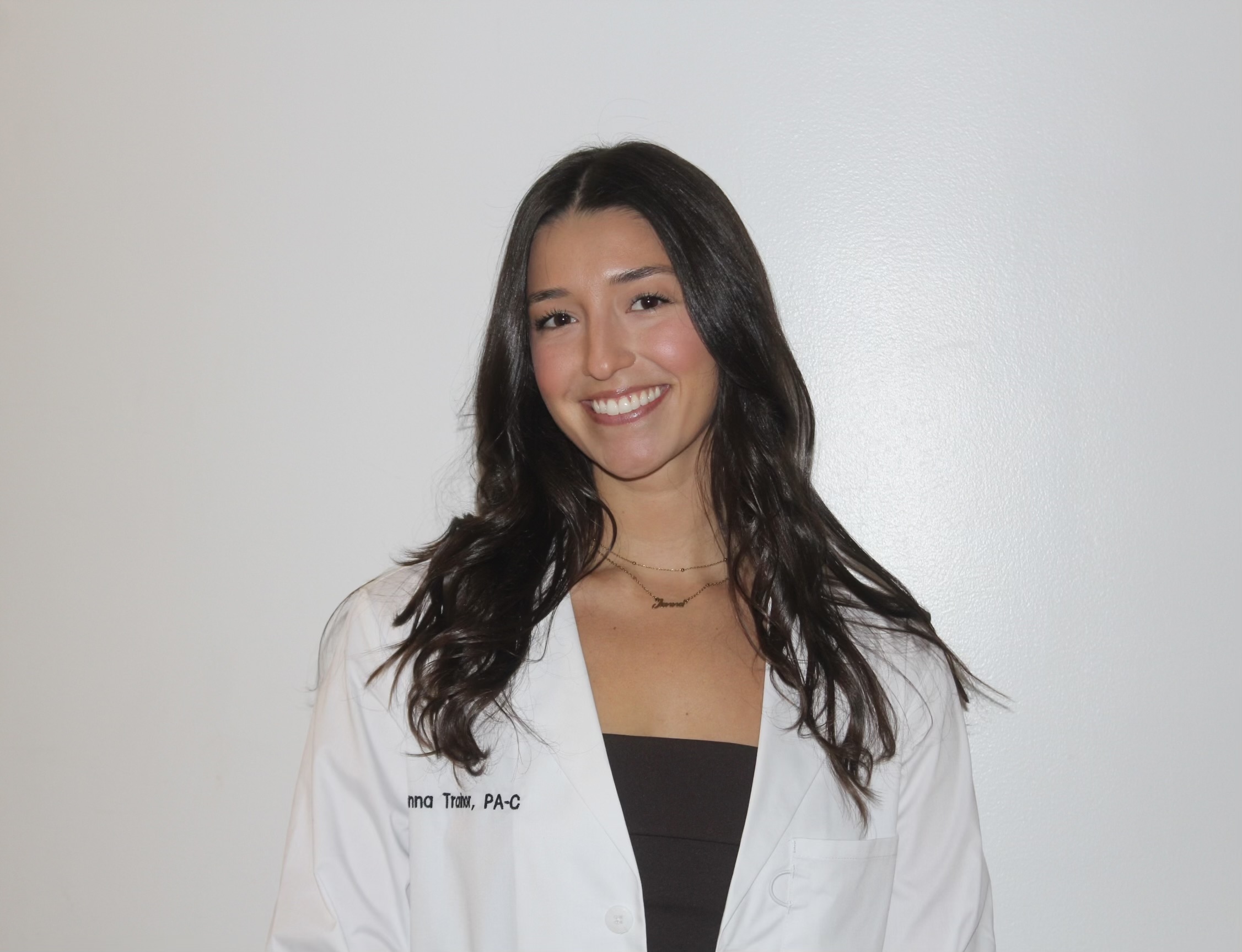
For physician assistant Jenna Trainor, one of the providers at RYC Orthopedics in New York City, that journey began during her healthcare education while working on a research project. At the time, she was already beginning to question a pattern she saw in orthopedics.
“In orthopedics, I often felt that people were too quick to jump to surgery as the only solution,” she explains.
That curiosity led her deeper into orthobiologics, a branch of regenerative medicine focused on supporting the body’s natural healing processes to improve pain, function, and recovery. Through her research and work alongside Dr. Thomas Youm, a board-certified orthopaedic surgeon and founder of RYC Orthopaedics and OrthoEnglewood, she saw firsthand how evidence-based regenerative therapies could help some patients remain active and potentially delay surgery for years.
“Amplifying the body’s natural healing abilities can help patients improve pain and function while potentially delaying surgery for several years,” she says.
Today, Trainor continues to bring that philosophy into patient care, combining treatment with education. As regenerative medicine evolves, she believes helping patients better understand their options is just as important as the therapies themselves.
Prevention is Health Care
At the heart of regenerative medicine is a broader philosophy: Choosing proactive over reactive care.
When asked to complete the sentence, “Preventative care is health care,” Trainor’s response reflected an approach that extends well beyond orthopedics:
“Stay strong, active, and healthy, and take the time to learn about the health preservation options that are available.”
It is a mindset increasingly shaping conversations around women’s health, longevity, and preventative medicine — focusing not only on treating disease, but preserving health and function long before major problems arise.
Regenerative Medicine Is Not a 'Miracle Cure'
As interest in regenerative therapies continues to grow, so do misconceptions about what these treatments can realistically accomplish.
“One common misconception is that regenerative orthopedic treatments are ‘miracle cures,’” Trainor explains. “The reality is that orthobiologics are tools, not magic.”
Like any area of medicine, outcomes depend on multiple factors, including accurate diagnosis, patient selection, rehabilitation, and realistic expectations. While regenerative therapies are not appropriate for every patient, they may offer some individuals an opportunity to remain active and potentially delay more invasive procedures.
That balanced, evidence-driven perspective is part of what continues drawing patients and practitioners alike toward regenerative medicine. As healthcare increasingly shifts toward more personalized approaches, regenerative medicine is gaining attention for its ability to tailor care to the individual — focusing not just on managing symptoms, but on supporting the body’s own repair processes based on a patient’s unique biology, lifestyle, and long-term goals.
A promising future in the books
For women interested in entering the field, Trainor emphasizes the importance of staying curious.
Her secret to staying on top of the latest breakthroughs in her field: “Read, read, and then read!”
Because regenerative medicine is advancing so quickly, she says ongoing education is essential. New research, technologies, and treatment approaches continue emerging, creating opportunities for the next generation of clinicians and researchers to help shape the future of the field.
“Women have an opportunity to play a major role in shaping the future of regenerative medicine through education, research, and patient care.”
During National Women’s Health Month, that message feels especially important — not only encouraging women to advocate for their own health, but also recognizing the women helping drive innovation in medicine itself.
Ready to learn more?
Subscribe to our newsletter and book your free, 15-minute consultation with Forever Labs today.

